
If you want to grow a successful YouTube channel in 2026, you can’t just upload videos randomly and hope for the best.
You need a clear, structured YouTube content strategy that helps you attract the right viewers, boost your engagement, and grow your channel sustainably.
Whether you’re a creator or a business using YouTube to drive monetization, a strong strategy keeps you focused, consistent, and aligned with your long-term goals.
This guide walks you through the 12 steps needed to build a content strategy that works, complete with practical tips, examples, and insights you can apply immediately!
Table of Contents
Why You Need a YouTube Content Strategy
YouTube is more competitive than ever. With millions of videos uploaded every day, creators need a strategy that helps them stand out.
A YouTube content strategy ensures every video serves a purpose, supports your goals, and resonates with viewers.
It helps you:
- Stay consistent with posting
- Understand who you’re speaking to
- Plan content that aligns with search intent
- Grow faster with fewer random experiments
- Improve watch time, retention, and engagement
- Increase your monetization potential
A strategy doesn’t just help you make better videos; it helps you make the right videos that deliver results.

Crush Your Social Growth Goals with Growthoid
No bots. No shortcuts. Growthoid helps real creators grow real YouTube channels - with views, likes, and subscribers from real people. Hit upload. We’ll handle the growth.
How to Create an Effective YouTube Content Strategy
Here are the 12 steps every creator or business should follow.
1. Define Your YouTube Channel Goals
Before you create any content, you need clear, specific goals.
Think about what you want your channel to achieve: more subscribers, higher engagement, more sales, increased brand awareness, or consistent YouTube monetization.
Your goals determine the type of content you create and how you measure success.
Focus on:
- Growing your subscriber base
- Increasing brand awareness
- Generating leads or sales
- Building a community
- Educating viewers about a topic
- Earning ad revenue
When your goals are specific, every decision becomes easier. For example, if your goal is client acquisition, your videos should showcase expertise, offer value, and include strong calls to action.
If your goal is ad revenue, you’ll prioritize longer videos with great retention. Clear goals prevent you from posting random videos that don’t serve a larger purpose.
They help you stay consistent, evaluate your progress, and make strategic choices instead of reacting to trends with no direction.
2. Research Your Target Audience
Your audience is the driving force behind your channel. To create content people actually watch, you need to understand who your viewers are, what they care about, and what problems they want solved.
Consider things like:
- Age, interests, and lifestyle
- Their biggest frustrations
- The topics they watch the most
- The formats they enjoy (tutorials, reviews, vlogs, shorts)
Audience research goes beyond simple demographics. You should know their habits: what time they’re online, what channels they binge, what questions they repeatedly ask, and what keeps them coming back to YouTube.
When you understand their motivations, your content becomes naturally engaging because it’s tailored to them.
This also improves retention, which helps your videos rank higher in YouTube’s algorithm. A deep understanding of your audience ensures your content feels personal, relevant, and helpful.
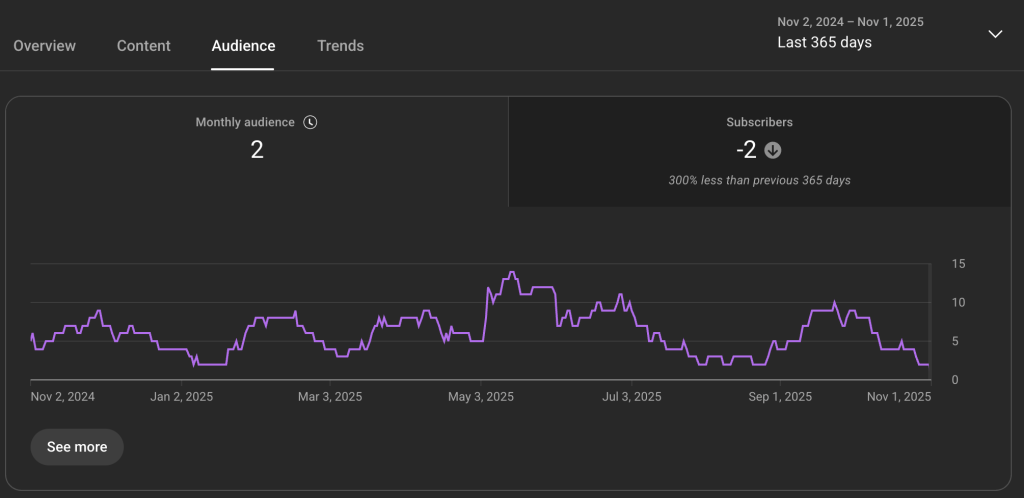
Use YouTube Analytics, comments, and community feedback to learn more. When you understand your audience, you can create meaningful videos that speak directly to their needs.
3. Research Competitors
Competitor research helps you understand what’s already working in your YouTube niche.
Study other channels similar to yours and see what topics perform well, what formats they use, and how they present their videos.
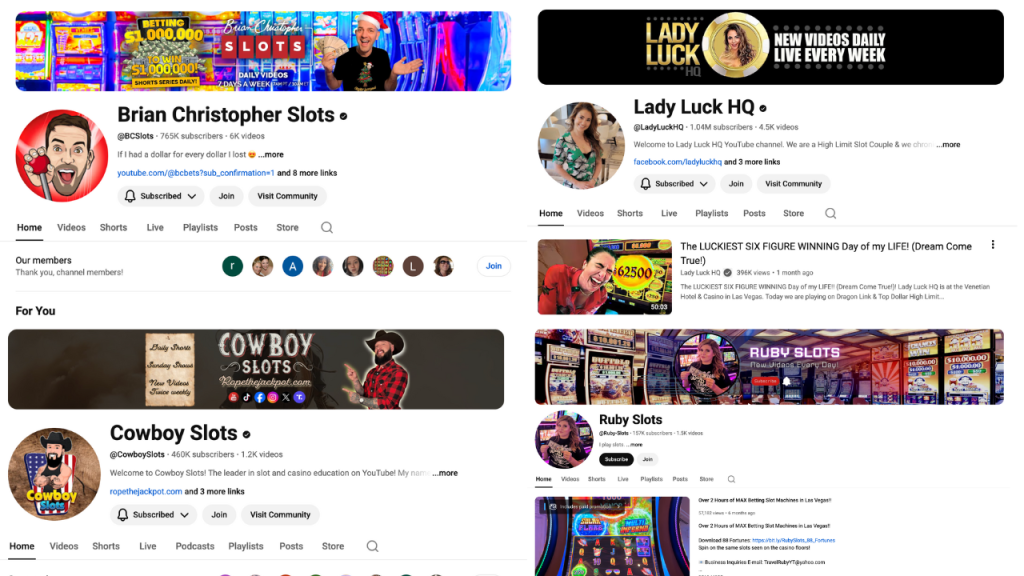
Look at competing channels and analyze:
- Their best-performing videos
- Title and thumbnail styles
- Their posting schedule
- Topics they repeat
- Viewer engagement levels
You’re not researching competitors to copy them. You’re doing it to identify gaps and opportunities.
Maybe a topic is popular but not well-explained. Maybe a competitor posts infrequently, leaving space for you to dominate the niche.
Look at common viewer complaints in the comments, analyze their top-performing thumbnails, and see which types of videos consistently bring them traffic.
This gives you clarity on what resonates with the audience and how you can create content that stands out.
4. Decide Your YouTube Channel’s Publishing Schedule
Consistency is the key to growing on YouTube. Choose a posting schedule you can realistically maintain.
A posting schedule helps you stay organized and consistent, so instead of posting whenever you feel like it, choose a frequency you can maintain long-term.
It could be:
- Once a week
- Twice a week
- Every other week
- Daily Shorts
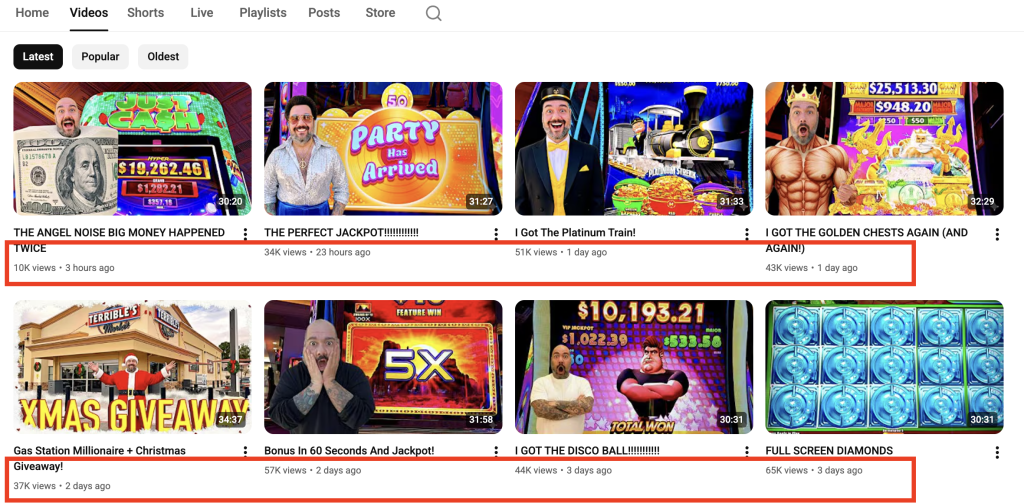
Consistency builds trust, not only with your viewers, but also with YouTube’s algorithm.
YouTube rewards channels that post consistently because it signals reliability.
A schedule also helps your audience know when to expect new content, increasing watch time and returning viewers.
Choose a schedule based on your workload. It’s better to post once a week consistently than to post daily for a month and then disappear for the next two.
5. Establish Your Review and Approval Process
If you’re part of a team or running a business channel, you’ll need a clear review and approval workflow. This ensures videos meet your brand standards and stay aligned with your goals.
Your process might include:
- Script writing
- Content review
- Editing review
- Thumbnail approval
- Compliance checks
Even solo creators benefit from a structured review process.
This may include script edits, thumbnail checks, SEO optimization, and fact-checking.
A review process prevents mistakes, improves video clarity, and helps maintain a consistent style across your channel.
Businesses especially need this to ensure compliance with legal, brand, or product guidelines. A solid workflow reduces stress and lets you refine your content before publishing.
Get Real YouTube Subscribers
Why wait years? Growthoid helps you get real subscribers who actually care about your content. Build trust. Grow faster. Monetize sooner.
Get Real YouTube Views
A great video deserves great reach. Growthoid boosts your views with real users, so your content doesn’t go unseen.
Get Real YouTube Likes
No likes? No love. Growthoid gives your YouTube videos the likes they need to stand out and attract more viewers.
6. Plan Your YouTube Content Calendar
A content calendar helps you organize your ideas and plan your uploads in advance, ensuring you always know what to create next. This minimizes last-minute scrambling and helps you plan long-term themes and series.
Your calendar should include:
- Video titles
- Target keywords
- Publishing dates
- Video types (tutorial, review, list, story)
- SEO notes
- Thumbnail ideas
Planning ahead saves time and helps you stay consistent even during busy weeks. A strong content calendar balances evergreen topics (searchable year-round), trend-driven videos, and series-based content that keeps viewers watching.
It also helps you coordinate uploads with product launches, seasonal trends, or marketing campaigns.
With a calendar, you can batch film videos, plan thumbnails early, and keep your workflow smooth. This reduces creator burnout and encourages more intentional content production.
7. Create Engaging Content for Your YouTube Channel
The success of your strategy comes down to making content people want to watch. Your videos need strong hooks, clear storytelling, and value from start to finish.
You should have clear YouTube branding across all of your videos, creating a cohesive vibe for your channel.
Focus on:
- Strong hooks: Your first 5–7 seconds matter the most
- Clear storytelling: Keep your video structured and easy to follow
- Visual interest: Use cuts, graphics, and captions
- Audience value: Teach, entertain, or inspire
Engaging content isn’t just entertaining: it’s purposeful.
Start your videos with a hook that immediately explains what viewers will gain. Keep your pacing tight, eliminate filler, and use visuals that enhance your message.
You might also consider how you can get users to interact using content like YouTube giveaways, livestreams, or asking questions or polling the audience.
YouTube rewards content that keeps viewers watching, so think about your video like a story: beginning (hook), middle (value delivery), and end (call to action, CTA).
The more engaging your videos are, the easier it is to grow your audience organically.
8. Optimize Your Videos for YouTube SEO
YouTube SEO helps your videos rank in search and show up in suggested feeds. To optimize your videos, focus on:
- Finding relevant keywords
- Adding keywords to your titles, descriptions, and tags
- Writing detailed descriptions with timestamps
- Creating high-click thumbnails
- Improving your click-through rate
- Encouraging viewers to watch longer
Good SEO increases your chances of ranking in YouTube Search and Suggested Videos.
Tools like VidIQ, TubeBuddy, or Keywordtool.io help you find search terms your audience uses.
Make sure your video matches the search intent, which is what viewers expect when they click; you should also optimize your metadata, create strong thumbnails, and encourage early engagement (likes, comments, and watch time).
SEO is one of the best long-term traffic strategies because it brings views months or even years after you publish.
9. Promote and Distribute Your Videos

Don’t rely only on the YouTube algorithm. Promoting your videos increases visibility and boosts early engagement, which helps your rankings. Share your videos across:
- Instagram
- TikTok
- Facebook
- X (Twitter)
- Email newsletters
- Online communities
- Blogs and websites
The more early views and comments your video gets, the better it performs. Promotion creates multiple traffic sources.
You can share your videos across Instagram, TikTok, LinkedIn, X (Twitter), Pinterest, or even your email list.
Embedding videos into blogs, landing pages, and newsletters further expands your reach. Early engagement is especially valuable; if your video gets views right away, YouTube is more likely to recommend it.
Think of promotion as a visibility multiplier that supports your SEO and engagement goals.
10. Repurpose Your Video Content
Repurposing helps you get more value out of every video you create. You can turn your long-form video into:
- Shorts
- Instagram Reels
- TikToks
- Blog posts
- Email newsletters
- LinkedIn posts
This strategy increases your reach without increasing your workload. A single long-form video can become Shorts, TikToks, Reels, YouTube Clips, blog posts, social posts, or email content.
Each platform has a different audience, so repurposing helps you connect with people who might not find you on YouTube.
Repurposed content also reinforces your topics, strengthens your expertise, and drives viewers back to your main channel.
Just be sure that when you repurpose your content or post repeat content, you acknowledge that it may have been seen before, especially when reposting on YouTube or other social sites.
11. Use YouTube Analytics to Monitor Performance
Analytics tell you what’s working and what needs improvement. Look at metrics like:
- Watch time
- Average view duration
- Click-through rate
- Impressions
- Returning vs. new viewers
- Audience demographics
- Traffic sources
Analytics give you actionable insights, which help you adjust your strategy and create more videos that perform well.
For example, if viewers drop off after the first 10 seconds, you need a stronger hook. If your CTR is low, update your thumbnails or titles.
If a certain topic consistently performs well, make more videos on it. Analytics help you build a feedback loop: test, measure, adjust, repeat.
Data-driven creators grow faster because they rely on evidence, not guesswork.
12. Review and Refine Your Strategy
Your content strategy should evolve as your channel grows.
Review your performance monthly or quarterly and identify:
- What topics perform best
- What thumbnails get the highest CTR
- What videos maintain retention
- What content brought in the most subscribers
Refining your strategy based on data helps you stay relevant.
Maybe a new video style becomes popular in your niche. Maybe Shorts start outperforming long videos. Or maybe your audience shifts to new topics.
No matter which is true, regular analysis helps you adapt and evolve.
A good YouTube content strategy is flexible and built on long-term goals but open to continuous improvement.
This adaptability is what keeps channels growing year after year.
Conclusion: YouTube Content Strategy
A successful YouTube content strategy doesn’t happen by accident: it’s built through planning, research, consistency, and constant improvement.
When you understand your audience, create engaging videos, optimize for SEO, and track your analytics, you set your channel up for long-term growth and monetization.
Whether you’re a creator or a business, following these 12 steps helps you create content that resonates, drives traffic, and supports your goals in 2026 and beyond.
FAQs for YouTube Content Strategy
Here are the most commonly-asked questions about how to create a YouTube content strategy that works.
What is YouTube content strategy?
A YouTube content strategy is a plan that outlines your goals, audience, posting schedule, content topics, SEO plan, and promotional methods so you can grow your channel consistently.
What is the 7 second rule on YouTube?
The 7 second rule says you must hook your viewer within the first 7 seconds of your video. This helps improve retention and keeps viewers watching longer.
How many views do you need to make $1000 a month on YouTube?
Most creators need about 200,000 to 500,000 monthly views to earn $1,000 from ads, depending on CPM and niche.
What are the 3 C’s of content strategy?
The three C’s are Content, Consistency, and Clarity: create valuable content, post consistently, and stay clear about your audience and goals.